Why the World Is Moving Toward Preventive Healthcare
Healthcare is changing, and not quietly.
Across the world, individuals, organisations, and governments are shifting away from a purely reactive healthcare model and embracing preventive healthcare. This approach prioritises early detection, risk reduction, and long-term wellbeing rather than waiting for illness to occur.
This shift isn’t a trend. It’s a response to how modern health challenges actually develop and how people want to live.
So why is preventive healthcare becoming the global focus?
Most Health Conditions Develop Gradually
One of the strongest drivers behind preventive healthcare is a growing understanding of how illness begins.
Many common conditions including heart disease, diabetes, hypertension, hormonal imbalances, and stress-related disorders do not appear suddenly. They develop slowly, often without noticeable symptoms in the early stages.
By the time pain or discomfort becomes obvious, the condition may already be advanced.
Preventive healthcare focuses on:
- Routine health screenings
- Diagnostic testing and monitoring
- Identifying risk factors early
- Taking action before symptoms escalate
This approach allows individuals to manage potential health issues when they are easier, safer, and less costly to address.
Reactive Healthcare Is Increasingly Unsustainable
Globally, healthcare systems are under immense pressure. Treating advanced illness requires more resources, longer recovery periods, and higher financial investment — for both patients and providers.
Preventive healthcare helps reduce this burden by:
- Lowering emergency hospital visits
- Reducing long-term treatment costs
- Minimising work absenteeism and productivity loss
- Improving overall population health
For individuals, this means fewer health crises. For organisations, it means healthier, more resilient teams. For healthcare systems, it means sustainability.
In simple terms, preventing illness is more efficient than treating it.
People Want Greater Control Over Their Health
Today’s healthcare consumers are more informed and more engaged than ever before.
Rather than waiting for doctors to “fix” problems, people want to:
- Understand their bodies
- Track health indicators
- Make informed lifestyle decisions
- Take responsibility for long-term wellbeing
Preventive healthcare supports this shift by providing insight, education, and early guidance. It empowers individuals to move from passive patients to active participants in their health journey.
This change reflects a broader mindset shift: from “treat me when I’m sick” to “help me stay well.”
Lifestyle-Related Conditions Are on the Rise
Another major factor driving preventive healthcare is the increase in lifestyle-related conditions.
Modern life often involves:
- Prolonged sitting
- Poor dietary habits
- Chronic stress
- Inadequate sleep
- Limited physical activity
These factors contribute to conditions that are largely preventable when addressed early.
Preventive healthcare recognises that health is influenced by daily habits as much as medical intervention. By combining diagnostics with lifestyle awareness, it helps identify problems at their root — not just manage symptoms.

Healthcare Is Expanding Beyond the Hospital
Healthcare is no longer confined to hospitals and emergency rooms.
Preventive care now takes place across multiple environments:
- Workplaces, through occupational health programmes
- Diagnostic centres, through routine screenings
- Wellness and fitness spaces that support recovery and balance
- Community-focused health environments
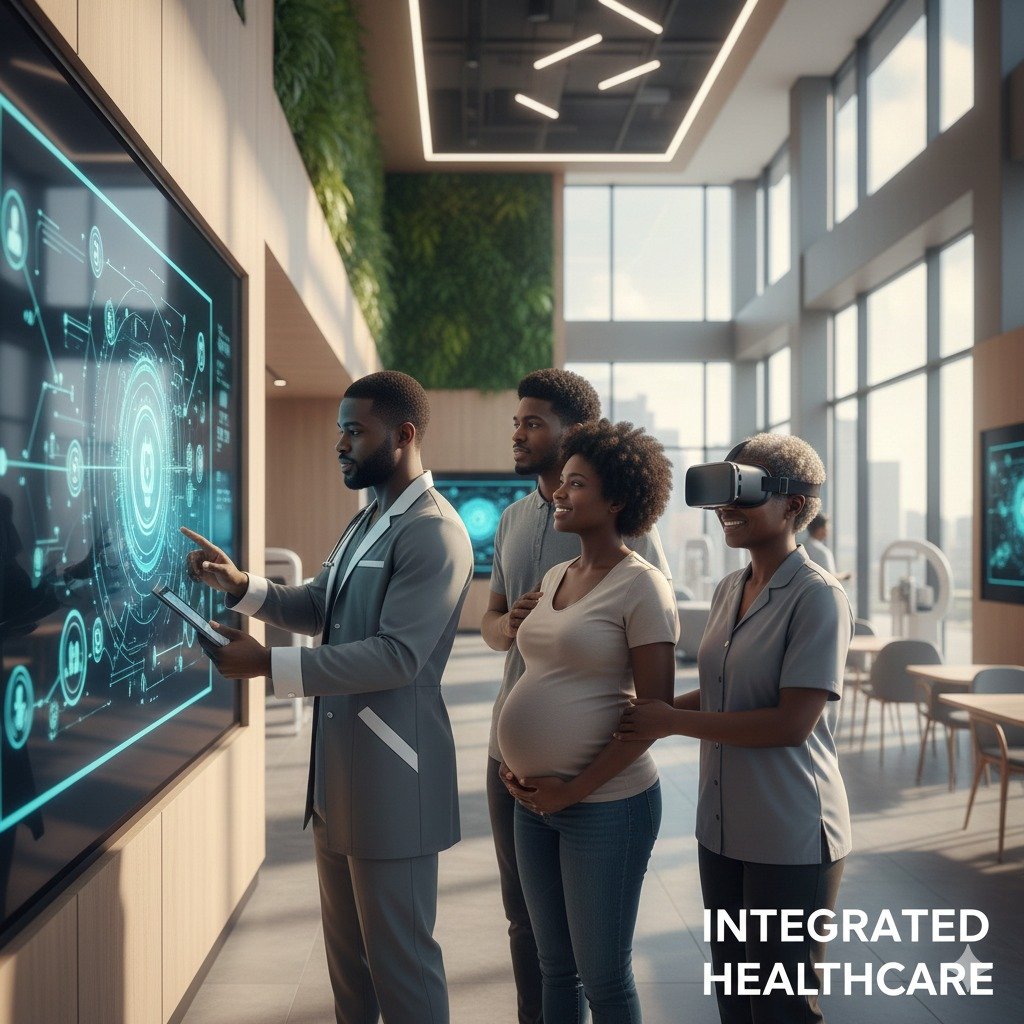
This integrated approach allows healthcare to become part of everyday life, rather than something accessed only during illness.
It also supports continuity of care — connecting diagnostics, medical treatment, wellness, and lifestyle support into one health journey.

Preventive Healthcare Supports Healthy Ageing and Longevity
Longevity is no longer just about living longer it’s about maintaining quality of life as we age.
Preventive healthcare plays a key role in:
- Preserving mobility and strength
- Supporting metabolic and cardiovascular health
- Managing stress and mental wellbeing
- Reducing the risk of chronic disease
- Maintaining independence over time
By addressing health proactively, individuals are better equipped to age with vitality rather than decline.
A Global Shift With Long-Term Impact
The global move toward preventive healthcare reflects a deeper understanding of health itself.
Healthcare works best when it:
- Anticipates risk
- Intervenes early
- Supports informed decision-making
- Integrates medical care with lifestyle support
Preventive healthcare aligns with these principles, creating systems that are not only effective, but humane and forward-looking.
Prevention Is the Future of Healthcare
Preventive healthcare is not about replacing treatment it’s about reducing the need for it.
By focusing on early detection, education, and proactive care, healthcare becomes:
- More efficient
- More accessible
- More sustainable
- More centred on the individual
At Medbury Healthcare Group, this philosophy underpins our integrated approach to health from diagnostics and medical services to wellness, workplace health, and lifestyle-focused care.
Because the future of healthcare isn’t just about responding to illness.
It’s about protecting health before it’s compromised.